
Exploring the Timeless Charms and Legends of Weathervanes
Few architectural features combine practical purpose with decorative craftsmanship quite like the traditional weathervane. Whether mounted above a country cottage, Georgian townhouse, listed manor, agricultural barn or modern self build, a well chosen weathervane provides an elegant finishing detail while accurately indicating wind direction. Many people searching online for what is a weathervane, how does a weathervane work, best weathervane for a roof or traditional copper weathervanes are often surprised to discover that these decorative roof ornaments have been part of British architecture for centuries. Their enduring popularity comes from a unique combination of engineering, heritage and artistic design that continues to complement both period and contemporary buildings. Throughout England and Wales, weathervanes can be found crowning church towers, stables, garden buildings, pavilions, garages, workshops and family homes. Historically they served an important purpose for farmers, sailors and craftsmen by showing the prevailing wind direction long before modern weather forecasting existed. Today they remain equally admired for their architectural presence.
Selecting the correct weathervane involves more than simply choosing an attractive silhouette. Roof pitch, mounting position, surrounding trees, prevailing wind, building scale and the style of the property all influence which design will provide the best visual balance. Traditional copper remains one of the most desirable materials because it naturally develops character over time. Polished copper gradually matures outdoors into the familiar verdigris finish through natural weathering, while selected verdigris models may also undergo carefully controlled finishing techniques that help encourage the distinctive aged appearance before installation. Steel designs continue to offer an attractive alternative where a darker architectural finish is preferred. Whether restoring a listed property or completing a newly constructed home, a thoughtfully selected weathervane can strengthen the architectural identity of a building. Heritage properties often benefit from classic cockerels, arrows, horses, dragons or heraldic figures that reflect centuries of British design, while more contemporary homes frequently feature wildlife, sporting themes or personalised silhouettes that express individual character. Proper installation is equally important. A securely fixed bracket or ridge mounted system should allow unrestricted movement so the directional arrow responds freely to changing wind conditions. Positioning the weathervane at the highest practical point of the roof also improves both visibility and accuracy while helping create a striking roofline that can be appreciated from considerable distance.
This guide explores the fascinating history of weathervanes, their symbolism, traditional materials, architectural significance and practical considerations when selecting one for your own property. If you are considering adding a decorative roof feature, browsing our All Weathervanes collection, exploring our Copper Weathervane Designs or comparing our Traditional Weathervane Designs will help you discover styles suitable for cottages, heritage buildings, equestrian properties, agricultural buildings and modern homes alike. Products can be shipped nationwide throughout mainland England and Wales, making it straightforward to complete projects wherever your property is located.
Contents
- The history of British weathervanes
- Meaning and symbolism
- Featured weathervane
- Choosing and ordering your weathervane
- Related collections
- Frequently asked questions
The History of British Weathervanes
The earliest weather vanes appeared many centuries ago, evolving from simple wind indicators into decorative architectural features that reflected local craftsmanship and regional traditions. During the medieval period they became increasingly elaborate, appearing on churches, castles and manor houses where they demonstrated both practical value and artistic skill. As metalworking techniques improved, copper, wrought iron and bronze allowed craftsmen to create increasingly detailed silhouettes that represented agriculture, mythology, wildlife and heraldry.
The Victorian period saw renewed appreciation for decorative roof architecture, encouraging the production of highly detailed finials and ornamental weathervanes that remain influential today. Many surviving examples continue to inspire modern collections, combining traditional forms with durable materials suited to today's buildings.
Why Weathervanes Continue to Fascinate
Beyond their practical purpose, weathervanes have always carried symbolic meaning. Cockerels represented vigilance, horses reflected rural life and strength, dragons symbolised protection, while ships acknowledged maritime heritage. Many buildings displayed figures connected to local trades, family history or personal interests, allowing every installation to tell its own story. This tradition continues today, with homeowners selecting wildlife, sporting themes or mythical creatures that create an architectural feature unique to their property.
Featured Weathervane
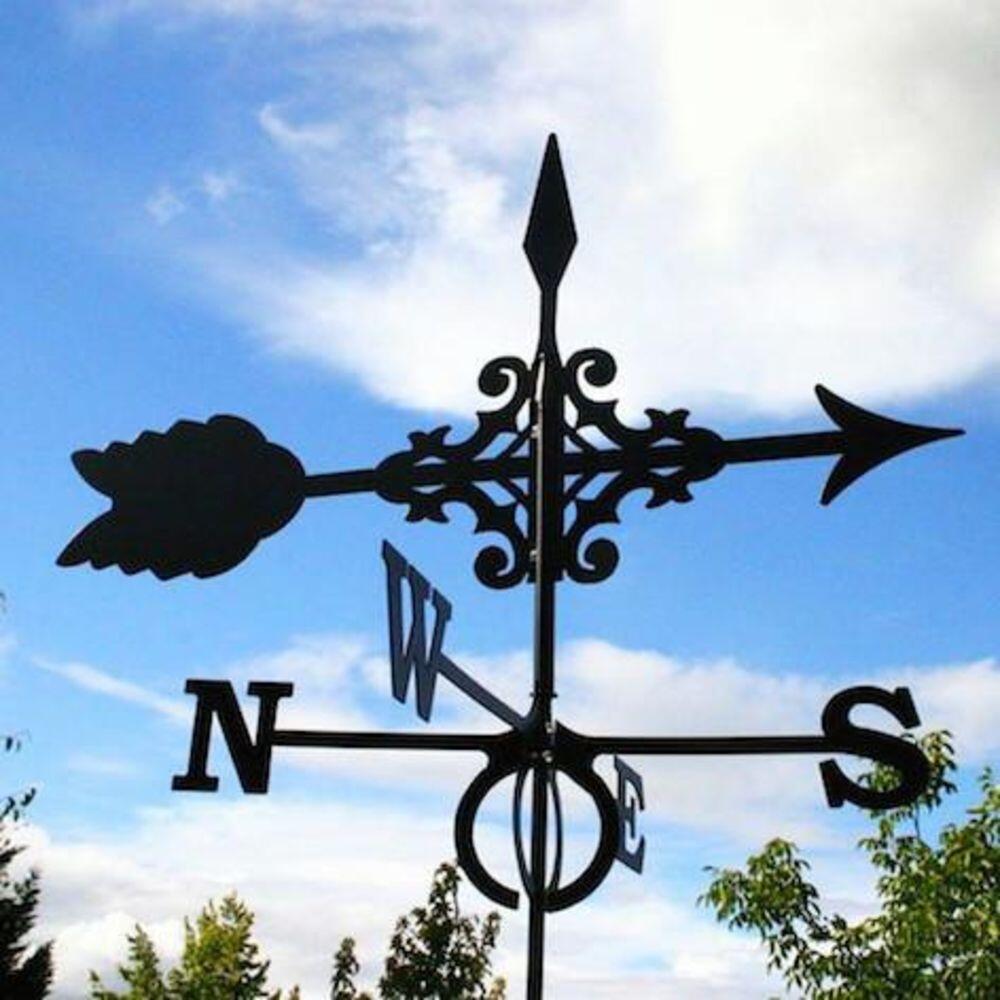
Choosing, Ordering and Installing Your Weathervane
Finding the right design. Most customers begin by selecting a theme that complements the architecture of their property, whether traditional, rural, coastal or contemporary.
Choosing the correct model. Consider the overall size of the building, roof type, mounting position and whether polished copper, natural verdigris copper or steel provides the most appropriate appearance.
Ordering. Once the preferred design has been selected, the appropriate fittings or ridge mounted option can be chosen to suit the installation.
Preparation. We carefully supply each weathervane ready for installation. Polished copper examples naturally develop a verdigris finish through exposure to the elements, while selected verdigris models have their distinctive appearance encouraged using specialist finishing techniques before dispatch.
Delivery. Orders are securely packaged and shipped nationwide throughout mainland England and Wales.
Installation. Correct installation ensures unrestricted rotation and long term performance. Positioning the weathervane above the roof ridge where airflow is least obstructed generally provides the best results.
Related Weathervane Collections
Frequently Asked Questions
How does a weathervane work?
A balanced directional arrow rotates freely. The larger decorative figure catches the wind, causing the arrow to indicate the direction from which the wind is blowing.
Are copper weathervanes better than steel?
Both materials offer excellent durability. Copper develops a distinctive natural character over time, while steel provides a darker appearance that suits many architectural styles.
Will polished copper change colour?
Yes. When exposed to the weather, polished copper gradually develops the familiar verdigris patina.
Can a weathervane be fitted to a modern house?
Absolutely. Many contemporary homes use weathervanes to introduce character while maintaining a clean architectural appearance.
What is the best position for a weathervane?
The highest practical point of the roof generally provides the clearest airflow and the greatest visual impact.
Do I need special brackets?
The correct bracket or ridge mounted fixing depends upon the roof construction and the location where the weathervane will be installed.
Complete Your Roof with a Traditional Weathervane
A quality weathervane provides far more than an indication of wind direction. It becomes a permanent architectural feature that enhances the character of a property for many years. Whether you are restoring a heritage building, completing a new build or searching for a distinctive gift, our collection includes traditional and contemporary designs inspired by British architectural heritage. Browse our collections to discover the ideal design for your property and complete your roof with a timeless finishing touch.
Featured Products


Boxing hares weathervane


Large copper arrow weathervane


Large copper banner weathervane


Large copper biplane weathervane


Large copper verdigris dolphin weathervane


Large copper verdigris stag weathervane


Large copper verdigris victorian arrow weathervane

